Column
Wars are usually short-term, or at best medium-term, events. However, they can be incredibly effective in bringing about long-term changes, lasting for many decades, or centuries.
Some examples.
Industrialization and the emancipation of the working class into a middle class began even before the First World War. But immediately after the First World War, broad industrialization got underway. We see world leadership shifting from Great Britain to the United States. First in the United States, but soon also in Europe, we see the middle class growing strongly.
The First World War resulted in 20 million deaths. The confrontation with so much violence, of such unprecedented massive scale, already led to a strong pacifism. The Second World War was the turning point for formulating policy based on this. The establishment of the United Nations is one example; the establishment of the European Coal and Steel Community (which was the first step towards the European Union) is another example of preventing war. The Universal Declaration of Human Rights (1948) is one. The subsequent European Convention on Human Rights (1958) contains concrete regulations to protect people against greater powers. For example, Chapter 8 regulates the protection of refugees. Each nation also enacted privacy legislation to prevent governments or large corporations from knowing too much about you and me.
The fossil free future
We now view sustainability as a new problem. Again, a long-term issue. As early as 1987, the UN Brundtland Commission concluded that sustainable development is necessary. Simply put, this is the development that does not compromise the lives of future generations. An example: we should cut down our CO2 emissions, because otherwise our lives will cease to exist in the future.
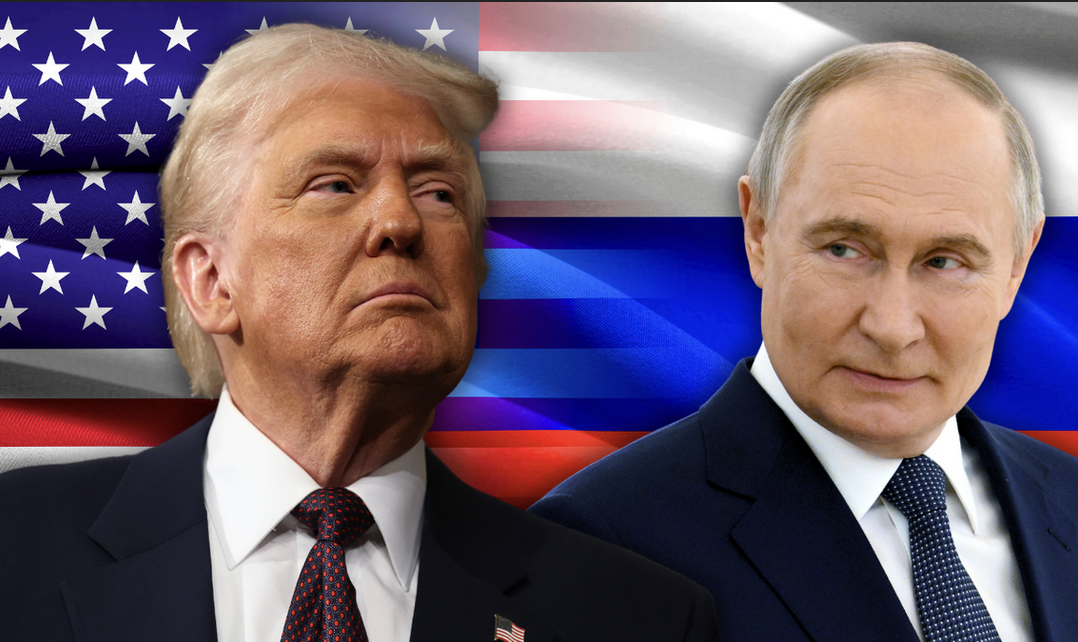
Presidents Putin and President Trump have both started wars that are driving up oil an d gas prices significantly. Meanwhile, renewables can be manufactured much more cheaply. Fossil fuels still have the unique selling point that they can also be deployed when wind and solar power fail. But now that batteries are becoming increasingly cheaper and last longer (almost endlessly), that advantage is also short-lived. At this moment, the purchase of a battery bank is already at the break-even point. And to think that battery innovations in China, Europe and California continue to follow one another, while more and more second-hand batteries are coming out of vehicles that can still perform excellently at home for years to come.
President Putin and President Trump, the side effect of your wars may well be of great significance in pricing the use of fossil fuels out of the market for good. To a sustainable future.
Peter