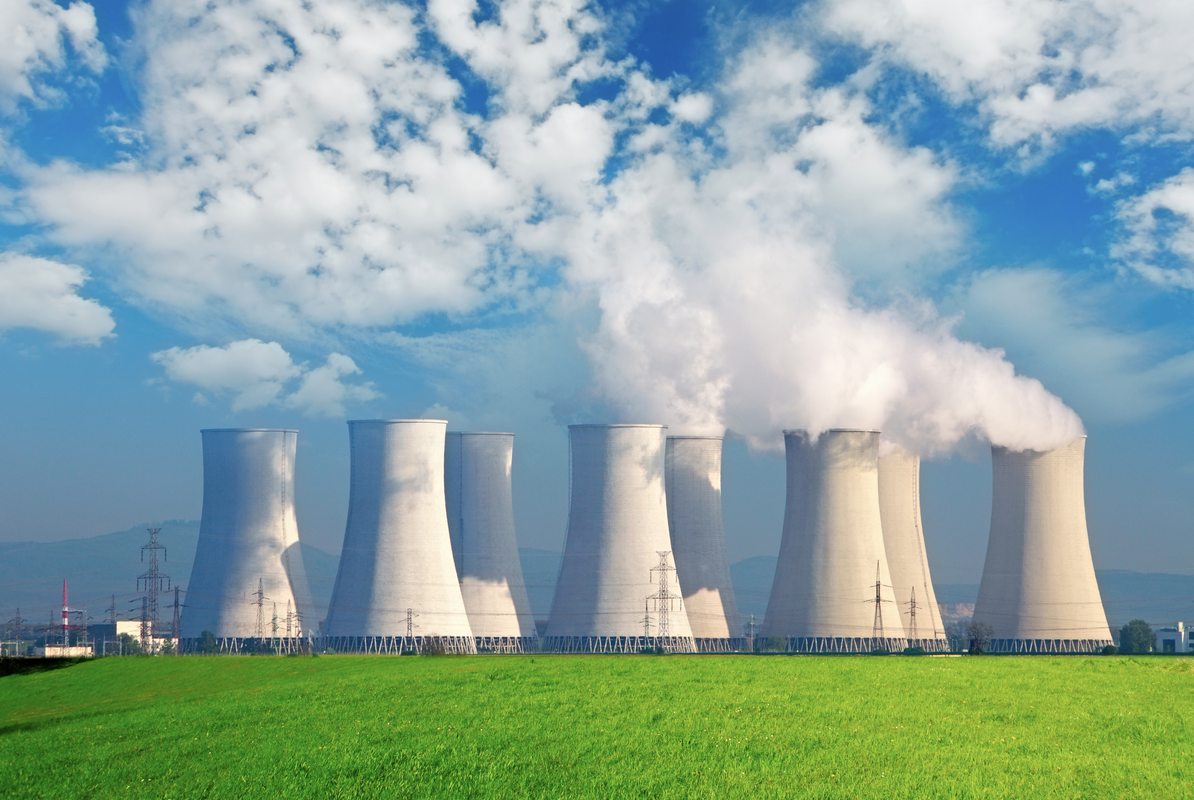
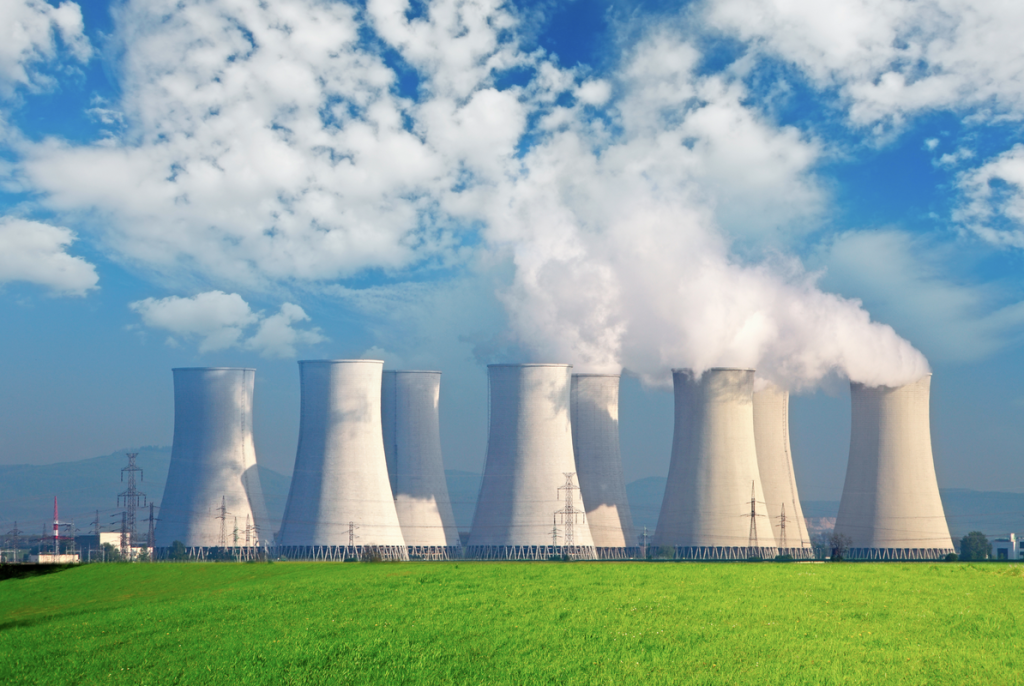
What about a future with this environment but then without the power plant on it?
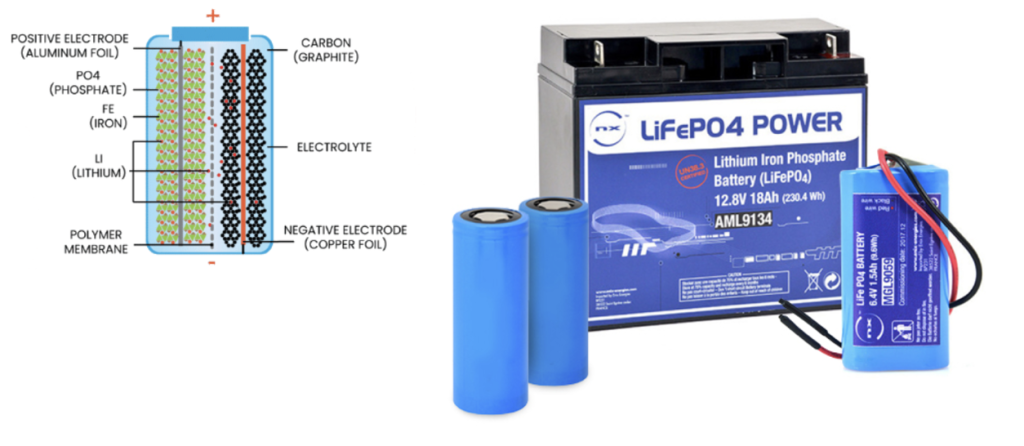
It could very well be the future. The reason: LFP batteries, like the ones in the Ya and in the new electric cars (almost) never get ‘old’ anymore.
Some 10 years ago the LFP battery started to conquer its place in the market. In 2021 the batteries were installed on the Ya. But still that was expensive. Now, they have become cheaper and cheaper. The battery is also very effective. The kWh per kilo weight has increased, so the range in kilometers an electric car can make, increased. The electric car is becoming a competitor to the fossil car.
Another major disadvantage of a battery was the aging. With every charge, the capacity decreases slightly. After about 1,000 charging cycles, only 80 percent remained, meaning you had 24 kWh of power in your battery instead of 30, good for a ride of only 144 kilometers. At that point, the battery is considered old and due for replacement. On average, you achieved 162 kilometers over those first 1,000 charging cycles, making a total of 162,000 kilometers.
The LFP batteries last longer—1,500 instead of 1,000 cycles—before reaching 80 percent. The more modern LFP battery even reaches 5,000 charging cycles.
Translate that into kilometers, and for lithium-ion, you get 1,500 times 90 percent times 65 kWh times 6 kilometers (in fact, that could already be 7). That is 526,500 kilometers. At 13,000 kilometers per year (the Dutch average for passenger cars), the battery already lasts 40 years before it ‘needs’ to be replaced. The LFP battery only reaches 80 percent after 1.7 million kilometers, or 135 years.
No car lasts that long. We like to trade in good cars because the new version has extra safety features and new gadgets. On average, I think a car lasts ten years now. And if we start living more frugally, the current electric car might reach twenty years. By then, the lithium-ion battery will still be good for 90 percent charging capacity, and the LFP is not yet ‘as good as new’.
You aren’t going to throw those batteries away; that would be madness. So, a second life for batteries is being devised. That already happened in 2018, when the first batteries from crashed cars became available. The Johan Cruijff Arena in Amsterdam was equipped with about a hundred ‘old’ car batteries that could store a combined 2,800 kWh of electricity. When combined, the lights in the Arena were literally visible. The test turned out well, and the battery park has since been expanded to 8,600 kWh, or 8.6 MWh.
Second-hand batteries are now appearing in more and more places to store electricity on a large scale. The amount of car batteries we discard annually is growing rapidly. Last year alone, we bought 156,000 electric cars (plus another 176,000 hybrids with smaller batteries). If these are discarded after more than fifteen years, ten million kWh of batteries become available for reuse almost for free. And that happens every year. Within a few years, you will have enough old batteries to cover the electricity demand of the entire evening peak.
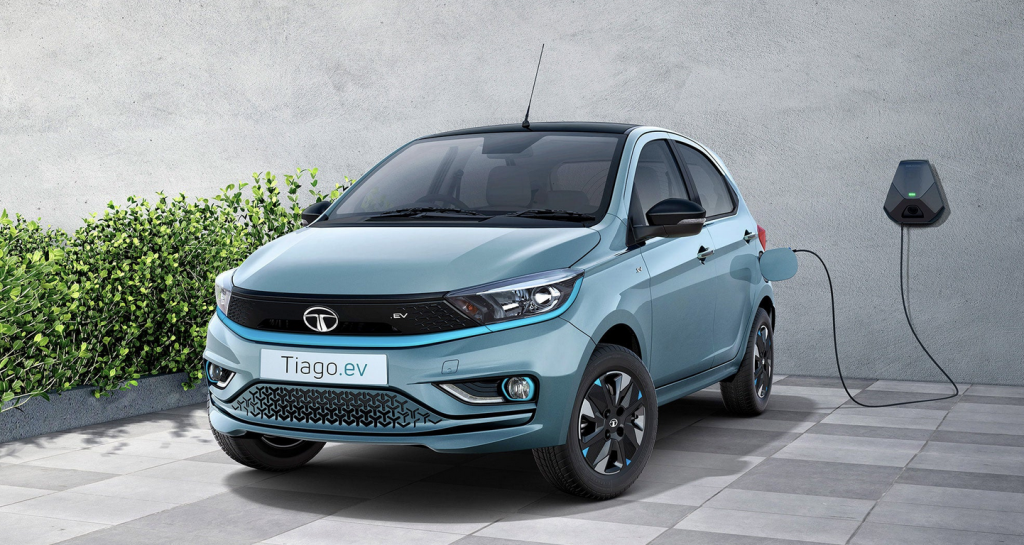
And that is just talking about passenger cars. More and more buses are driving electric, and by now, half of all new trucks in China are electric. Then you are not talking about batteries of 65, but of 650 kWh. And they will all be discarded eventually.
China, the country where most batteries are manufactured, has already calculated that by 2050, old batteries could cover two-thirds of its total energy demand.
This will have great consequenses. First, we will all get a battery pack at home, and a big one at work. This will shave the peeks in the electricity usage. The electricity can become cheaper. And it can be sustainable, because there will be no more fossil power plants necessary.
Second, the network can change completely. Now the electricity network is based on security of supply. But if we all have our own decentralized power in stored, we don’t need power when it is not available for a day or more. The electricity network can do what it is good at: just transport electricity.
It means that we won’t need power plants. Also the nuclear energy plants will be obsolete. The LFP battery fills the gab to create a sustainable energy use.
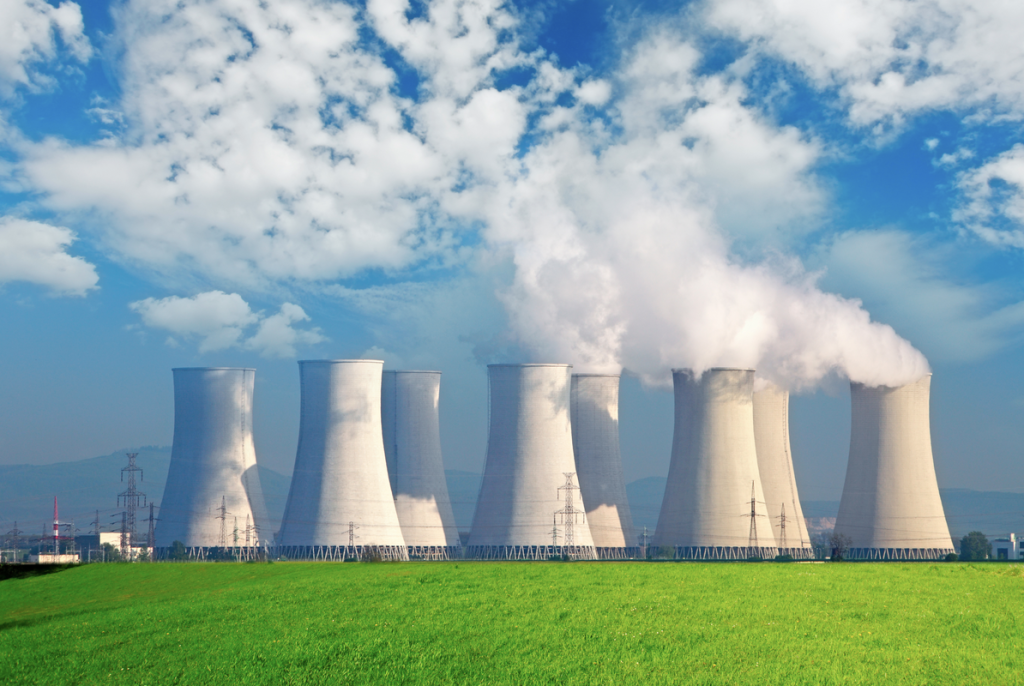
So, what about a future with this environment but then without the power plant on it?